


How Big is the Demand For Kitchen Exhaust System Cleaning?
How Big Is the Demand for Kitchen Exhaust System Cleaning?
Commercial kitchens are highly regulated environments where cleanliness, safety, documentation, and ongoing maintenance all play an important role. From restaurants and cafeterias to larger food service facilities, operators rely on specialized support services to help keep kitchens functioning properly.
As commercial kitchens operate day after day, grease and residue can build up in hoods, fans, filters, ducts, and related exhaust system components. Regular kitchen exhaust system cleaning helps food service operators support health and safety standards, maintain cleaner kitchen environments, and prepare for inspections tied to applicable codes and operational requirements.
Demand Beyond Restaurants
The need for kitchen exhaust cleaning extends beyond traditional restaurants. Facilities with commercial kitchens have cleaning and maintenance responsibilities tied to that environment.
Common customer categories include:
- Restaurants
- Casinos
- Airports
- Healthcare facilities
- Schools
- Military bases
- Prisons
- Other government facilities
These facilities serve customers, employees, patients, students, visitors, and staff. Keeping kitchen systems clean, maintained, and properly documented is part of supporting those daily operations.
Compliance-Based and Safety-Focused Services
Health and safety codes play an important role in commercial kitchen operations. Clean kitchen hoods and maintained exhaust systems help reduce grease buildup and support broader safety, cleanliness, and compliance efforts.
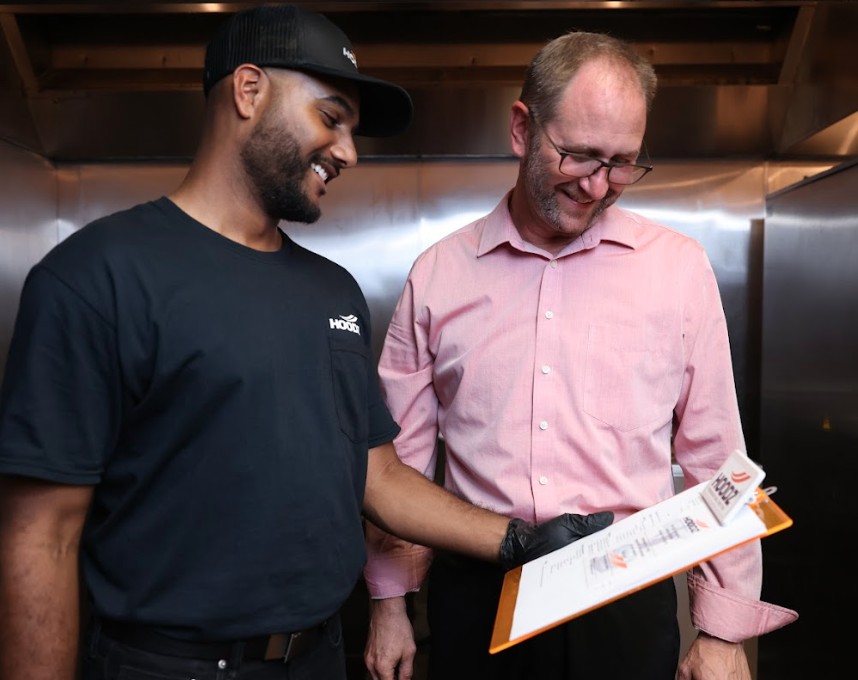
Because this work is tied to ongoing operational responsibilities, many food service operators look for providers that are professional, consistent, transparent, and able to document completed service.
Ongoing Service Needs
Kitchen exhaust cleaning is not a one-time need. Commercial kitchens often require service on a recurring schedule based on cooking volume, facility use, inspection requirements, and applicable standards.
This creates opportunities to build ongoing customer relationships with restaurants, facility managers, and food service operators. Repeat work and ongoing accounts are not guaranteed and depend on factors such as service quality, customer relationships, local demand, competition, staffing, market conditions, and owner execution.
A Specialized Segment of the Food Service Industry
The food service industry depends on more than the businesses preparing meals. Cleaning, maintenance, logistics, and compliance-related services all help support daily operations.
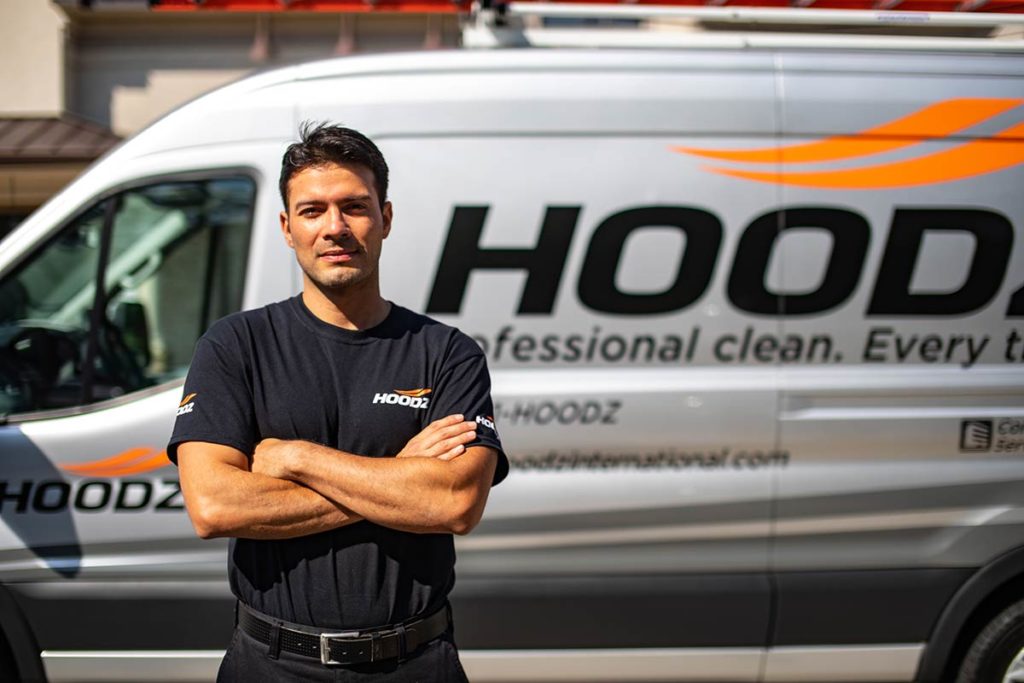
HOODZ operates within this specialized segment by focusing on commercial hood cleaning, kitchen exhaust system cleaning, and related services for facilities with commercial kitchens.
Interested in Learning More?
If you are exploring opportunities in the commercial hood cleaning franchise industry, understanding market demand and operational expectations is an important first step.
View our Brand Exploration Report to learn more about the industry, franchise support, and what it takes to build a business with HOODZ.
FAQs About Kitchen Exhaust Cleaning Industry Demand
Why is there demand for kitchen exhaust system cleaning?
Demand is driven by health and safety standards, grease buildup, inspection requirements, documentation needs, and the ongoing cleaning and maintenance responsibilities of commercial kitchens.
Who needs kitchen exhaust system cleaning?
Kitchen exhaust system cleaning is used by restaurants, cafeterias, casinos, airports, healthcare facilities, schools, military bases, prisons, government facilities, and other facilities with commercial kitchens.
Is kitchen exhaust cleaning an ongoing service?
Yes. Commercial kitchens often need kitchen exhaust cleaning on a recurring schedule based on cooking volume, facility use, inspection requirements, and applicable standards.
Why is commercial hood cleaning important?
Commercial hood cleaning helps food service operators reduce grease buildup, maintain cleaner kitchen exhaust systems, support documentation needs, and address safety and compliance-related responsibilities.